

Nurturing nature and enhancing biodiversity
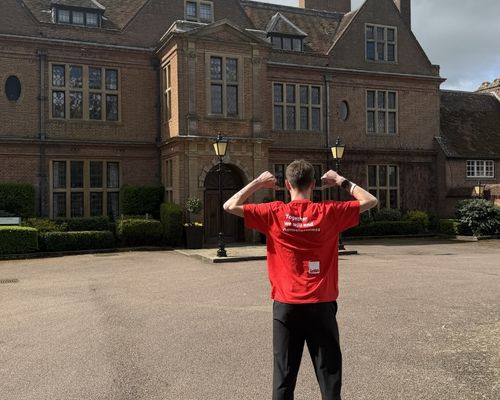
The gardens at Horwood House are not just a backdrop to the hotel. They are living spaces, growing spaces, learning spaces and habitats for the wildlife that shares our 38-acre estate.
Through The Garden pillar, we are working to improve biodiversity, support pollinators, restore historic areas of the estate and create opportunities for guests, schools, charities and corporate clients to connect with nature in a meaningful way.
Our work includes beehives, Butterfly Houses, bug hotels, wildflower planting, orchard restoration, habitat teepees, future Kitchen Garden plans and biodiversity mapping with specialist partners.
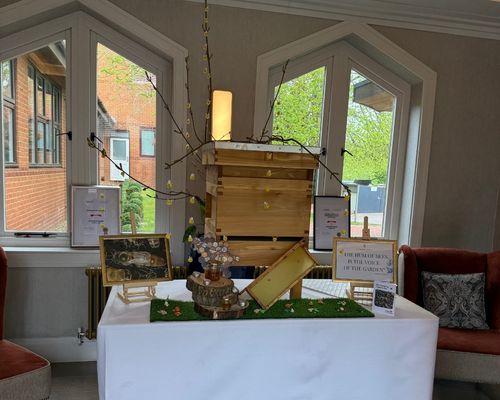
The Bee House
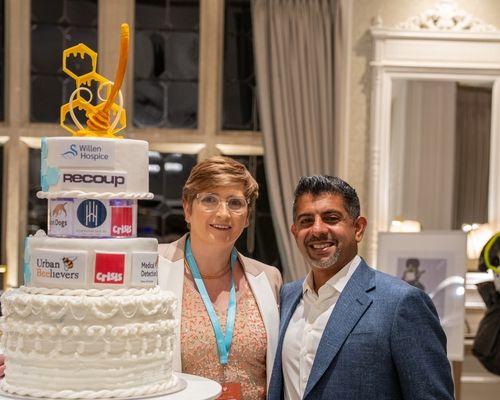
In partnership with Urban Bee-lievers, we are proud to host an active beehive on the estate, home to over 25,000 bees.
This is not just about producing honey. Our beehive supports pollination, biodiversity and education. Urban Bee-lievers works with young people who are not currently in education, employment or training, giving them practical experience, confidence and skills through beekeeping and community projects.
Rather than simply hosting free hives, we chose to invest in a charity hive. Each hive costs over £3,000, with money going directly to support the charity and its work with young people. We are also committed to investing in a further two hives by the end of 2027.
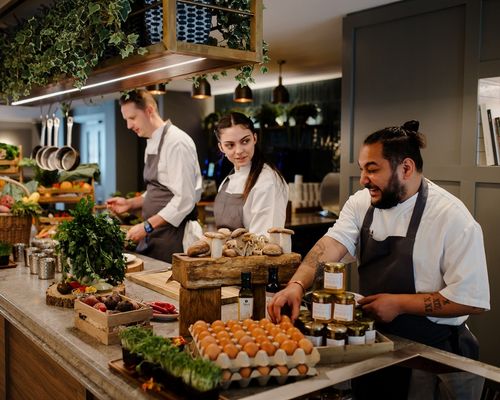
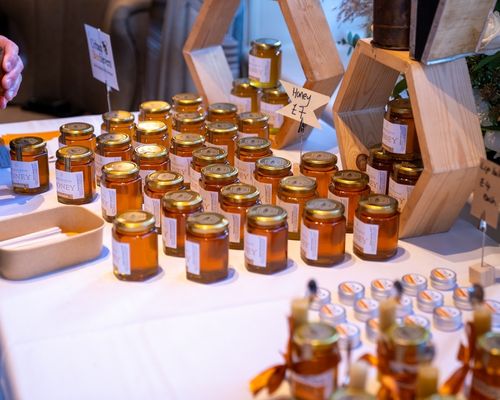
Honey from the hive is used by our chefs, including in breakfast items, biscuits, breads and other seasonal creations. Students from Urban Bee-lievers also work alongside our chefs, learning how estate-grown and estate-produced ingredients can be used in the kitchen.
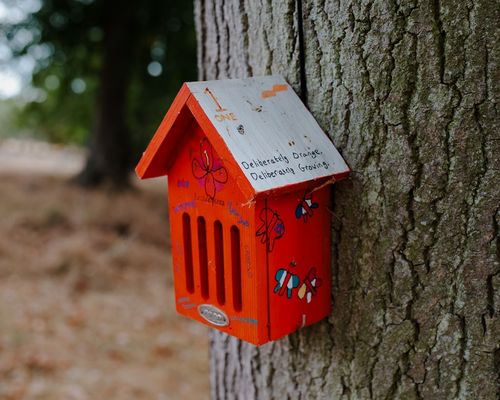
The Butterfly Houses
Our Butterfly Project began as a way to support biodiversity and bring local children into the story of the estate.
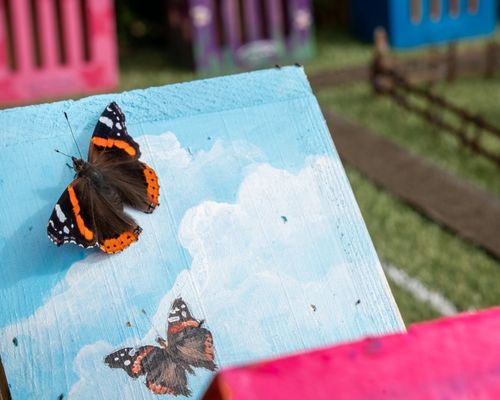
Working with local schools, we created a Butterfly Village made up of 20 butterfly houses, painted by children and placed across the gardens. Our maintenance team used recycled waste materials to help build the surrounding landscape, turning a simple wildlife project into something creative, educational and community-led.
The project has received recognition from BBC News, ITV News and The Times, as well as a personal letter of support from Sir David Attenborough.
Butterflies are important indicators of environmental health. By creating sheltered spaces, planting pollinator-friendly flowers and working with specialists to record butterfly numbers, we hope to better understand and support the species living on our estate.
We have also worked with Butterfly Conservation since 2024 and plan to continue building on this project through butterfly monitoring, habitat creation and future planting.
Bug Hotels and Habitat Teepees
Across the estate, we are creating small but important habitats for insects, birds and other wildlife.
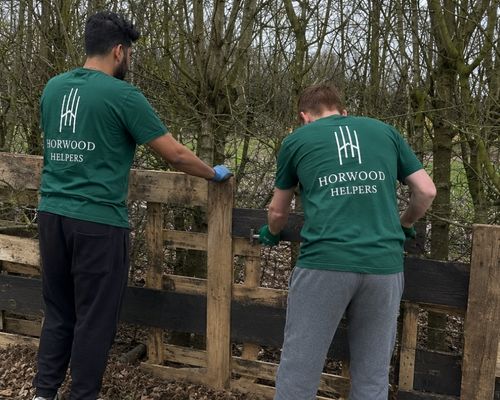
Our bug hotels and habitat teepees use natural materials, garden waste and recycled wood to provide shelter for insects and small wildlife. Most recently, students from Urban Bee-lievers built habitat teepees in our woodland areas, giving a second life to natural garden materials while supporting biodiversity.
We hope to expand this into a green team-building activity for corporate clients, allowing guests and delegates to take part in practical biodiversity work during their time at Horwood House.
This kind of project reflects what we believe sustainability should be: hands-on, educational, useful and rooted in the estate.
Young Roots: Schools in the Garden
Our gardens are also a place for learning.
We work with local schools, including schools supporting children with special educational needs, to involve students in garden restoration, biodiversity projects and estate history.
Students from Furzedown School have been helping restore hidden pathways in our walled garden. This project is expanding into a larger overgrown area above our World War Two bunker, where the plan is to clear the area, introduce drought-tolerant planting and support biodiversity.
The project also brings in local history. Students will go inside the World War Two bunker to create a time capsule, with drawings, poems and work celebrating 115 years of the Manor House.
This means the garden becomes more than a landscape project. It becomes a place where sustainability, history, education and community come together.
We are also working with MK College on future horticultural projects, including a “Dragons’ Den” style pitch where students can propose a natural sculpture for the gardens, with the winning commission paid for by Horwood House.
The Orchard and Kitchen Garden
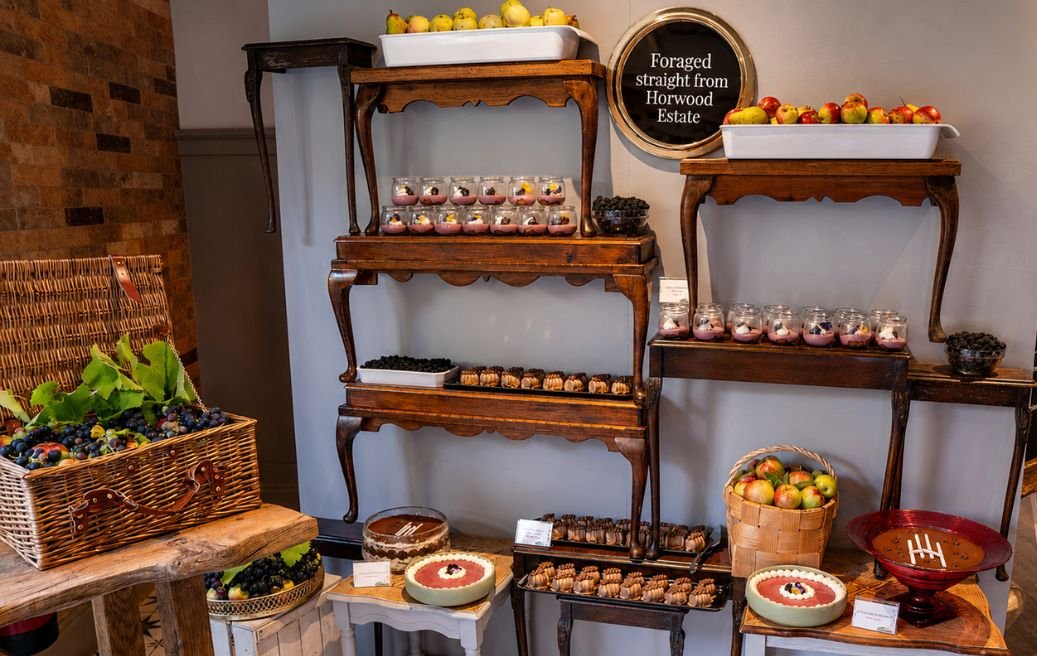
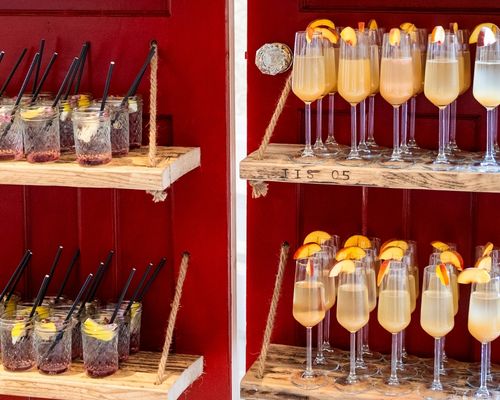
In 2025, we planted an orchard on the estate. When seasonally available, apples from the orchard are used by our chefs in menus and guest experiences.
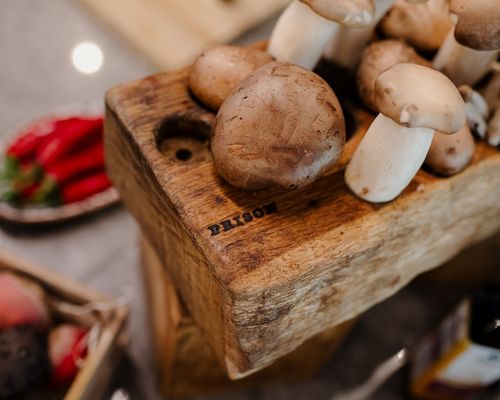
Our chefs also forage from the gardens, using ingredients such as wild garlic, mint, rosemary and blackberries where appropriate.
The next major step is our future Kitchen Garden. This will allow us to grow more herbs, fruit, vegetables and edible plants on site, supporting our commitment to seasonal, local and low-impact food sourcing.
The Kitchen Garden will help us:
- Reduce food miles
- Increase estate-grown produce
- Support biodiversity
- Strengthen seasonal menu planning
- Reduce avoidable food waste
- Involve schools, guests, charities and corporate clients in growing projects
It will build on the work already happening across the estate, including the orchard, beehives, wildflower planting, drought-tolerant landscaping, Urban Bee-lievers projects and school-led garden restoration.
Water-Wise Planting
As climate patterns change, we are making the gardens more resilient.
We have introduced drought-tolerant and water-wise plants throughout the estate to reduce irrigation needs. We also use Hydroballs in a number of garden beds, which act as small water reservoirs and help reduce water consumption.
During warmer months, areas that need watering are watered after 8pm to reduce evaporation.
We also collect rainwater for irrigation and continue to explore ways to make our planting more sustainable, particularly with support from BBOWT.
Working with Wildlife Experts
To better understand the life already present on the estate, we are working with moth and butterfly specialists to record species across the grounds.
BBOWT - Berkshire, Buckinghamshire and Oxfordshire Wildlife Trust — is also helping us map our 38-acre estate and advise on how we can improve land use, biodiversity and wildlife habitats.
With their guidance, we are exploring future projects including butterfly meadows, native wildflowers, thistles, black poplar trees and stronger pollinator corridors.
The Garden is a long-term project. Every season gives us a chance to learn, plant, restore and improve.